


The Chicken Road video game stands as a significant milestone in the UK indie gaming scene, influencing both creators and players alike. Its innovative game mechanics and unique storylines have altered design trends, encouraging cooperation among developers. Furthermore, the cultural influence of the game goes beyond just entertainment, nurturing a strong group involved in diverse storytelling. As its legacy unfolds, one must ponder what this means for the prospects of game development in the area.
Summary of Chicken Road Game
Although many games for mobile devices have appeared in recent years, the Chicken Road video game distinguishes itself due to its distinct blend of strategy and fun. This game transforms traditional gaming models by integrating energetic elements of decision-making, forcing gamers to adjust and strategize constantly. It utilizes a whimsical yet thought-provoking theme, where gamers maneuver around obstacles while managing resources and timing, boosting their mental engagement. The design of the game successfully captures the essence of competitive spirit, drawing a varied audience from casual gamers to experienced strategists. Additionally, its features for social sharing encourage interaction within the community, strengthening a feeling of belonging among gamers. Overall, the Chicken Road Game’s ibisworld.com engaging structure not only provides a fresh perspective on gaming on mobile devices but also sets a benchmark for future developments in gaming in the sector.
Game Mechanics and User Engagement
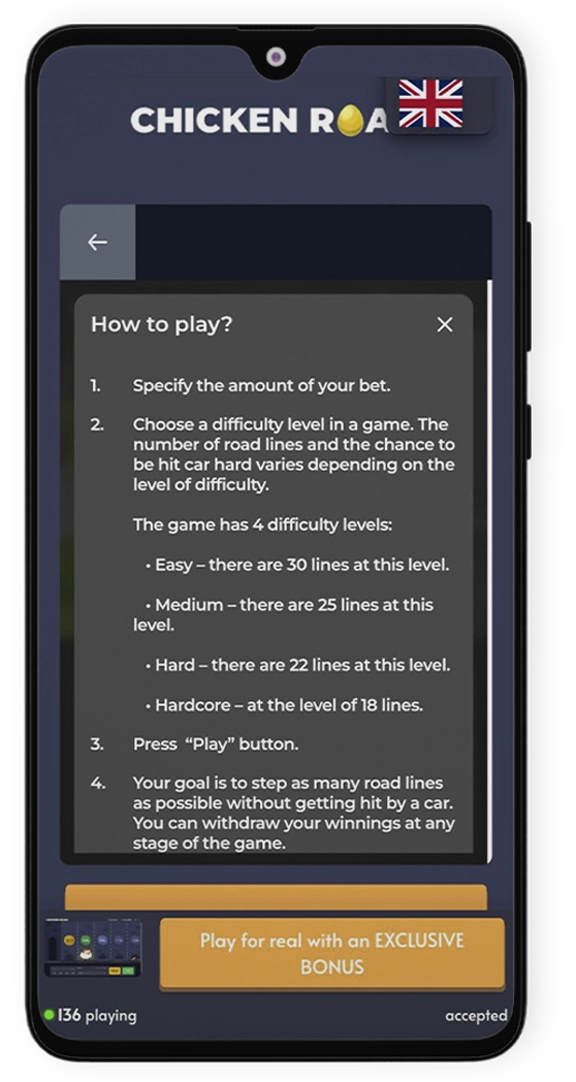
As players investigate the Chicken Road Game, they swiftly encounter a rich array of gameplay mechanics designed to promote user involvement. The game utilizes a adaptable scoring system that compensates strategic choices, nurturing a sense of achievement. Interactive features, such as barriers and power-ups, necessitate players to modify their tactics in the moment, increasing cognitive investment. Cooperative gameplay options further promote social interaction, enabling players to work together or vie, thereby strengthening community bonds. The user-friendly interface ensures that users can easily traverse the nuances of the game. Additionally, routine updates bring new tasks and features, maintaining the experience exciting and encouraging players to revisit. In summary, these mechanics create an captivating ecosystem that sustains long-term user involvement and investment.
Influence on Game Design Trends
The Chicken Road Game has subtly molded contemporary game design trends by emphasizing player-centric features that boost engagement and interaction. Designers increasingly focus on mechanics that foster player autonomy and choice, fostering more profound links to the game narrative. This trend encompasses adjustable difficulty levels, where the game develops based on player skill, fostering a customized experience. Additionally, the incorporation of immediate feedback enhances player immersion, consistent with the Chicken Road Game’s strategies that emphasize prompt response to player actions. As a consequence, developers are now more inclined to incorporate social elements, such as multiplayer modes, which echo community interactions reminiscent of the game’s early supporters’ enthusiasm. These transformations emphasize a important movement toward inclusion and engagement, setting a foundational benchmark for upcoming innovations in game design.
Cultural References and Media Presence
Cultural references and media presence around the Chicken Road Game expand its influence beyond traditional gaming spaces and into wider cultural conversations. The game’s unique gameplay and playful theme have inspired various forms of media, from online memes to television segments examining its cultural significance. Critics and scholars alike have discussed its effects in digital culture, often citing it as a case study for understanding the evolution of interactive narrative. Additionally, its presence at gaming conventions and expos promotes discussions about creativity in design and player interaction. The Chicken Road Game has not only secured a place in the gaming lexicon but has also sparked debates surrounding competition and cooperation in a digitized society, establishing a complex legacy.
Community Building and Player Interaction
While many games concentrate solely on competition, Chicken Road Game Player Assistance, the Chicken Road Game cultivates a vibrant community that thrives on cooperation and interaction among players. This focus on community involvement encourages a sense of inclusion, with players adding to the game’s development. Key elements of this interaction include:
- Cooperative Gameplay
- User-Generated Content
- Regular Events
This multifaceted approach not only enhances the player experience but also ensures the game’s place in the framework of collaborative gaming, demonstrating the value of a solid community foundation.
Economic Impact on the Indie Game Market
The Poultry Path game has considerably influenced the indie game market in the UK, highlighted by a notable growth in revenue for independent developers. This success has opened new market opportunities, fostering innovation and drawing a varied array of creators. As a result, developers are increasingly embracing creative trends that emphasize unique gameplay experiences over traditional narratives.
Indie Revenue Growth
As the success of the Poultry Path game echoes within the gaming community, it’s clear that such standout titles can significantly boost revenue streams for indie developers across the UK. This phenomenon underscores several key factors driving growth in the indie market:
- Increased Visibility
- Diverse Revenue Models
- Enhanced Collaboration
New Market Opportunities
Success stories like Chicken Road generate new market opportunities that reshape the terrain of the indie game sector in the UK. This game has not only shown the potential of indie developers to create commercially successful titles but has also sparked increased interest from investors and partners in search of innovative projects. Such market forces encourage a broader range of creative outputs, fostering collaboration among smaller studios. Additionally, the success of Chicken Road emphasizes the viability of niche genres, encouraging developers to investigate untapped themes and concepts. As funding and resources become more accessible, indie developers are likely to probe into diverse storytelling and gameplay experiences, ultimately improving the UK’s gaming environment and solidifying its status as a breeding ground for creative innovation.
Creative Development Trends
Innovative development trends are reshaping the scenery of the indie game market in the UK, driven by the success of titles like Chicken Road. These trends illustrate how creativity and technology converge to change gaming experiences. Key economic impacts on the indie scene include:
- Enhanced Community Engagement
- Diverse Funding Models
- Cross-Platform Development
These trends not only reflect changing consumer preferences but also indicate a strong and evolving indie game economy in the UK.
Future Prospects for Game Development in the UK
The outlook of game development in the UK seems promising, driven by emerging technologies that continue to reshaping gameplay experiences. As the indie game scene grows, developers are increasingly tapping into new market niches and audience preferences, indicating a shift toward more diverse and innovative content. This evolving environment implies that UK developers are well-positioned to leverage both technological advancements and changing consumer demands.
Emerging Technologies Influence
As the gaming industry in the UK advances, emerging technologies like virtual reality (VR), augmented reality (AR), and artificial intelligence (AI) are poised to revolutionize game development. These innovations pledge to improve user experience and simplify production processes. Key influences include:
- Improved Immersion
- Dynamic Storytelling
- Efficient Development
Together, these technologies foreshadow a future of limitless possibilities, reshaping not just games but the very fabric of the industry itself.
Expanding Indie Game Scene
New technologies are clearing the path for an vibrant indie game scene in the UK, presenting fresh opportunities for developers to create unique and captivating experiences. The rise of user-friendly game engines and tools reduces entry barriers, enabling creatives to transform innovative ideas into playable titles. Additionally, the proliferation of digital distribution platforms enables indie games to reach broader audiences without traditional publishing limitations. As the community nurtures collaboration and knowledge-sharing, developers benefit from diverse influences and support networks. This synergistic environment promotes originality and experimentation, vital for differentiating oneself in a competitive market. With ongoing advances in virtual reality, augmented reality, and AI, the future of the indie game scene in the UK looks bright, promising rich narratives and engaging gameplay.
Evolving Audience Preferences
With audience preferences quickly evolving, game developers in the UK must adjust to changing trends to remain pertinent in a competitive environment. The terrain is changing, demanding a keen understanding of what connects with players today.
Developers should consider the following key areas:
- Diverse Narratives
- Interactive Experiences
- Eco-Friendliness
Conclusion
To conclude, the Chicken Road game has significantly affected the UK indie gaming scene, transforming design trends and cultivating a unified community among developers. Its success not only propels economic growth but also promotes innovation through wide-ranging narratives and welcoming gameplay. As it continues to motivate emerging titles, Chicken Road’s legacy guarantees a lively future for game development in the UK, positioned at the intersection of creativity and player engagement. The impact of this game will possibly resonate for years to come.

